What New Construction Buyers Should Know Before Signing

The builder’s sales office is friendly, the model home is stunning, but the contract is written entirely in the builder’s favor. Here’s what I learned firsthand, and what I want every buyer to understand before they sign.

Having personally purchased two new construction homes in Southwest Florida, I understand how differently the process can unfold compared to a traditional resale, especially when decisions are moving quickly and builder contracts are written to protect the developer.
New construction offers real advantages, from modern design and warranties to enhanced hurricane protection and the ability to tailor a home to your lifestyle. My role is to help you navigate that process with clarity, strong representation, and the right guidance at each step.
“The builder’s on-site sales rep is friendly and knowledgeable — but they represent the builder, not you. Having someone in your corner changes everything.”
THINGS THAT COMMONLY SURPRISE NEW CONSTRUCTION BUYERS
Completion dates are typically estimates, not hard deadlines
Material substitutions may be permitted without buyer approval
Deposits are often larger and structured in multiple stages
Inspection access during the build can be limited (request pre-drywall access)
HOA and community rules carry significant long-term obligations
Warranty coverage varies widely and has specific claim procedures
Promotional materials may promise features not guaranteed in the contract itself
My Own Story: What We Experienced in New Construction
My husband and I built our downtown Sarasota home during the supply chain challenges of 2021–2022, and the experience gave me a deeper, firsthand understanding of how new construction timelines and contracts can evolve over the course of a build. Like many homes built during that period, our timeline shifted beyond the original estimate, requiring us to remain flexible and make a few interim arrangements along the way. It was a valuable reminder that, even with strong builders, construction timelines can be fluid.
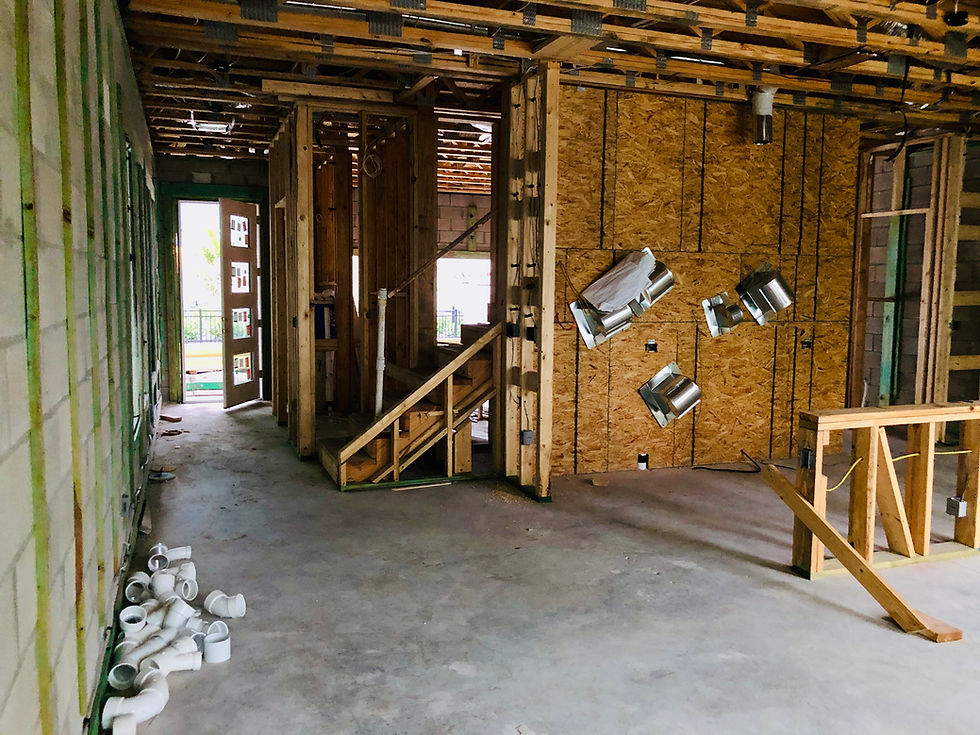
What proved most meaningful, though, was staying engaged throughout the process. During our pre-drywall inspection, we noticed a specific energy-saving feature that had been included in the original marketing materials wasn't installed in our new build. By keeping thorough documentation and addressing it directly with the builder, we were able to have it installed as originally agreed at contract. That experience reinforced something I carry into every client relationship today: thoughtful oversight, clear communication, and attention to detail truly matter in new construction.
Inspections Are Not Optional
One recommendation I consistently share with my new construction clients is to invest in both a pre-drywall inspection (when applicable) and a final inspection prior to closing.
In a recent transaction, I represented buyers purchasing a newly constructed condominium priced at $2 million in Pinellas County. My out-of-state buyers couldn't be onsite for the inspection, so I attended, took pictures and video, and met with the inspector on their behalf.
The independent inspector we brought in flagged a plumbing leak and several electrical and HVAC concerns — all of it addressed by the builder before closing. Even in brand-new construction, there are so many moving parts, multiple trades, tight timelines, and layers of coordination. An experienced, independent inspector adds a level of oversight that catches what a walk-through alone won't.
It's a relatively small investment that can make a meaningful difference in protecting your home and your overall experience.
A New Construction Contract Isn’t Like a Standard Resale Agreement
In a typical resale home purchase, both sides sign a standardized Florida contract form that's been balanced and refined over the years. New construction is different. The builder drafts their own longer, more detailed contract designed to protect their interests and their business. That's not necessarily a bad thing — it reflects the realities of how both large-scale and custom construction work. But it does mean the agreement isn't written with only your best interests in mind.
I encourage every new construction buyer I work with to have a real estate attorney review the contract before signing. An attorney who handles Florida real estate transactions sees these builder contracts regularly and can flag language a buyer might otherwise miss. We're fortunate to have many qualified, experienced real estate attorneys in our area, and I'm happy to provide solid legal contacts for your purchase.

Deposits and Timelines: Know What You’re Agreeing To
With a resale home, you typically put down earnest money and move toward a single closing. In new construction, builders often require a larger upfront deposit at signing, sometimes followed by additional payments tied to construction milestones and design center selections. Real money is on the table throughout the process, not just at the end, and it follows a different schedule than resale homes would.
Construction timelines are estimates, not promises. Weather, labor shortages, supply chain disruptions, and permitting delays can all push things back significantly — as my own experience showed, "longer than expected" can mean a very long time. If you're selling your current home or your lease is ending, you need a contingency plan. That's something your agent should help you think through well before you get into trouble.
HOA Documents and Warranties Deserve Real Attention
If you’re buying in a planned community, you’re almost certainly buying into a homeowners’ association, and possibly a community development district (CDD) as well. These governing documents define what you can do with your property, what fees you’ll owe, and what rules you’ll live under. They’re not light reading, but they matter for your daily life as a homeowner.
New construction warranties are a genuine advantage of buying new, but the details vary significantly. What’s covered, for how long, and through what process all matter. Understanding your warranty terms before closing means you’re prepared if something goes wrong after you move in, rather than discovering the fine print when you need to use it.
Also, Florida law requires builders to provide at least a one-year new construction warranty; you can read the actual statute here: 553.837 - Mandatory builder warranty
READY TO BUY NEW CONSTRUCTION?
Buying a newly built home is one of the most exciting purchases you can make, and I want to make sure you arrive at closing day informed, protected, and ready to enjoy your new Florida lifestyle. From that first visit to the model home to the moment you get your keys, I'll ask the right questions, keep everything on track, and help connect you with trusted professionals.
If you're considering a new build in the Sarasota, Bradenton, Lakewood Ranch, St. Pete, or surrounding areas, let's connect. — Audra Lane, REALTOR®, CIPS, RSPS
Connect: https://linktr.ee/AudraByTheSea
© 2026 Audra by the Sea
*This post reflects my personal experience and general observations as a real estate agent. It is not legal advice. Every contract and situation is different. I always encourage new construction buyers to consult with a licensed Florida real estate attorney to review their specific agreement before signing.


Comments